Table of Contents
Obstructive Sleep Apnea is one of the most common yet confusing sleep disorders, and many people don’t realize they have it until symptoms begin disrupting daily life. If you’ve been waking up tired, struggling with loud snoring, or noticing changes in your mood and focus, understanding which type of breathing issue you’re dealing with is the first step toward getting the right treatment.
Understanding the Types of Sleep-Related Breathing Disorders
Sleep-related breathing issues fall into three main categories, each with its own causes, symptoms, and treatment pathways. Knowing the differences can help you get the right support sooner.
-
When Airflow Is Blocked: The Most Common Form
The most well-known type of nighttime breathing disruption happens when the airway becomes narrowed or collapses during sleep. The muscles in the throat relax more than they should, causing snoring, gasping, or disrupted breathing. People often don’t realize what’s happening until a partner notices the pauses or they begin waking up unrefreshed.
Risk factors like weight changes, aging, nasal congestion, and family history play a role. But even people without typical traits can experience this condition. Fortunately, it’s also the most treatable when diagnosed early.
Not all CPAP masks are designed for children. Check out our expert guide on Pediatric CPAP Masks for Kids to discover top-rated choices recommended for young users.
-
When the Brain Sends Irregular Breathing Signals
A less common form involves the brain not sending consistent instructions to the muscles that control breathing. Instead of a blocked airway, the issue originates within the central nervous system. People with this type may breathe erratically during the night, with breaths that slow, stop, or change rhythm unexpectedly.
This type is often associated with neurological conditions, certain medications, or underlying heart issues. Diagnosis requires careful testing because the symptoms aren’t always obvious to the sleeper.
-
When More Than One Type Happens at the Same Time
Some individuals experience a combination of airway obstruction and irregular brain-driven breathing patterns. This blended form often becomes noticeable when traditional treatment helps only part of the problem. In these cases, more detailed testing is needed to identify the exact mix of symptoms so therapy can be adjusted correctly.
How to Figure Out Which Type You Have
Because each form involves different mechanisms, getting clarity requires more than observing symptoms at home. Modern testing methods make the process more convenient and accurate than ever.
At-home diagnostic tools can now capture oxygen levels, breathing patterns, heart rate variations, and sleep cycles with medical-grade precision. Among the most advanced options is the WatchPAT One kit offered on our platform. Unlike older systems, it uses a simple finger-worn sensor. This makes it easier for you to sleep naturally while collecting the data your provider needs to determine your specific type.
Once your sleep data is analyzed by a board-certified provider, you’ll receive a clear explanation of your results and next-step recommendations tailored to your breathing pattern and symptoms.
Why Getting the Right Diagnosis Matters for Treatment Success
Correct identification of the type of nighttime breathing disorder you have guides treatment decisions. For many people, nighttime airway support provides exceptional relief and long-term improvement in sleep quality, daytime energy, and overall wellness. Others may need detailed adjustments based on what their diagnostic report reveals.
This is where working with a dedicated medical team becomes essential. Our board-certified sleep specialist is available to help you interpret your results and choose the right therapy, whether that means selecting the ideal equipment, adjusting your current therapy, or exploring additional solutions.
How We Support Your Therapy Journey
Choosing where to purchase your equipment matters just as much as the diagnosis. With us, you get access to trusted, top-brand devices at competitive prices. Our specialists are here to guide you through product selection, therapy setup, and ongoing support so you always have reliable help when you need it most.
If you’re just starting your diagnostic journey, we recommend the WatchPAT One home test kit available on our site. It’s simple, accurate, and doctor-interpreted so you can move from confusion to clarity quickly and confidently.
FAQ's
What are the best CPAP machines available for sleep apnea?
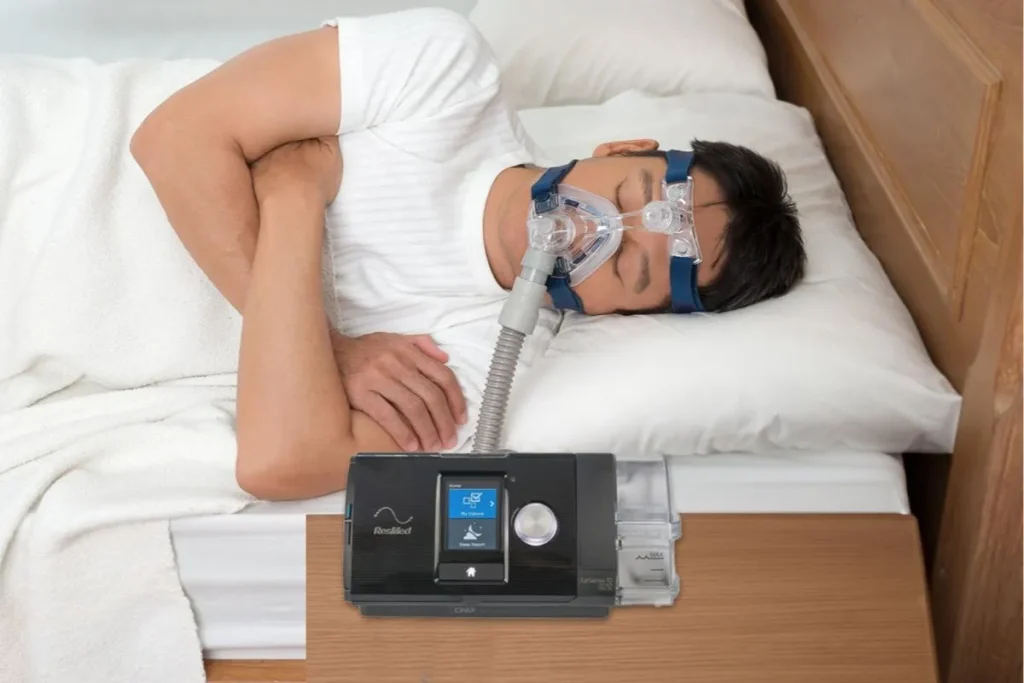
The best machines are the ones that deliver steady and comfortable Continuous Positive Airway Pressure, because that’s the technology proven to keep your airway open throughout the night. Today’s top models prioritize quiet operation, gentle pressure transitions, and smart features that adapt to your breathing in real time. If a device feels effortless to use, fits your lifestyle, and helps you wake up refreshed, that is the right machine for you.
How do I find a sleep specialist near me for an apnea diagnosis?
You can start with your primary care doctor, or search online. What matters most is choosing a provider who uses modern Diagnosis Methods, including home-based testing and data-driven evaluations. A qualified sleep specialist ensures you receive an accurate assessment, not just a guess based on symptoms, so you can finally understand what’s happening in your sleep.
How to identify sleep apnea symptoms?
Look for patterns rather than one-off signs. Loud snoring, waking up choking or gasping, morning headaches, dry mouth, and persistent daytime fatigue are all red flags. People with Mixed Sleep Apnea may experience both blocked-airway symptoms and irregular breathing patterns, which can make the signs feel confusing or inconsistent.
Can sleep apnea ever go away?
For some individuals, symptoms can improve over time with weight changes, lifestyle adjustments, or targeted therapy. But lasting improvement depends on choosing the right Treatment Options for your specific type. Many people find that effective therapy doesn’t just reduce symptoms, it transforms their energy, mood, focus, and long-term health. Even if it doesn’t disappear completely, it can absolutely become manageable and well-controlled.
Can I cure my sleep apnea naturally?
Natural habits can support better breathing, like improving sleep posture, strengthening airway muscles, or maintaining a healthy weight. But conditions such as Central Sleep Apnea stem from the brain’s breathing signals, meaning lifestyle changes alone aren’t enough.
Final Words
Understanding the type of nighttime breathing disorder you have is the key to getting the right treatment and finally reclaiming restful sleep. With modern at-home testing and expert medical guidance, your path to better nights is easier than ever. If you’re ready to get clarity, explore trusted equipment, or speak with a specialist, visit cpapRx today.