Table of Contents
Many people ignore snoring and gasping for months or even years because they assume these are just normal or stress. But these symptoms can be early signals of something more serious. When your sleep is not restful, no matter how long you stay in bed, it affects your mood, focus, heart health, and overall quality of life.
This is where awareness becomes important. Understanding what your nighttime symptoms really mean can help you protect your long-term health.
Still feeling foggy? Read our guide on why CPAP users experience brain fog.
Why Snoring and Gasping Matter
Snoring may seem harmless, but loud or irregular snoring combined with gasping for air is often linked to Obstructive Sleep Apnea, a condition where the airway becomes partly or completely blocked during sleep.
This blockage interrupts airflow and leads to breathing pauses during sleep, forcing the body to jolt awake to restore normal breathing repeatedly.
Over time, this constant sleep disruption can lead to excessive daytime sleepiness, irritability, low energy, memory problems, and even increase the risk of serious conditions like heart disease and high blood pressure. So, can snoring and gasping be symptoms of sleep apnea? Yes. They are two of the most common early signs.
5 Warning Signs Your Snoring and Gasping Could Be Sleep Apnea
Here are the key red flags to watch for if you suspect your symptoms are more than just occasional nighttime noise:
Loud Snoring That Disrupts Others
Snoring associated with airway blockage is typically loud, uneven, or happens in cycles. If your partner notices that your snoring suddenly becomes louder, stops, and then starts again with a gasp, it may be a sign of Obstructive Sleep Apnea.
Gasping or Choking Sensations During Sleep
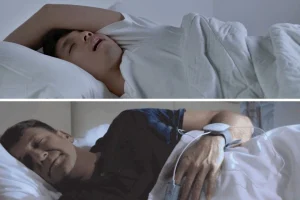
Waking up to sudden gasps or choking is one of the strongest indicators of a breathing disorder. This happens because your airway collapses during sleep, and the body fights to reopen it.
Pauses in Breathing
If someone observes you having breathing pauses during sleep, even if they last only a few seconds, it is a warning sign that your airway might be closing repeatedly through the night.
Excessive Daytime Sleepiness
Struggling to stay awake at work, dozing off while watching TV, or feeling mentally foggy in the morning are all signs of poor sleep quality. Sleep apnea repeatedly wakes the brain, preventing deep and restorative sleep cycles.
Morning Headaches and Dry Mouth
People with sleep apnea often breathe through their mouth due to reduced airflow. This leads to dry mouth, throat irritation, and oxygen level drops that can trigger early morning headaches.
What Are Other Early Warning Signs of Sleep Apnea?
Apart from snoring and gasping, some other symptoms may appear subtle at first but still signal trouble:
- Waking up frequently at night
- Difficulty concentrating
- Irritability or mood changes
- High blood pressure
- Restless sleep
- Reduced libido or stamina
If you recognize multiple symptoms from this list, it may be time to get evaluated.
Want To Test for Sleep Apnea? You Can Do It at Home.
Sleep apnea often goes undiagnosed because many people assume testing requires spending the night in a lab. That is no longer the case.
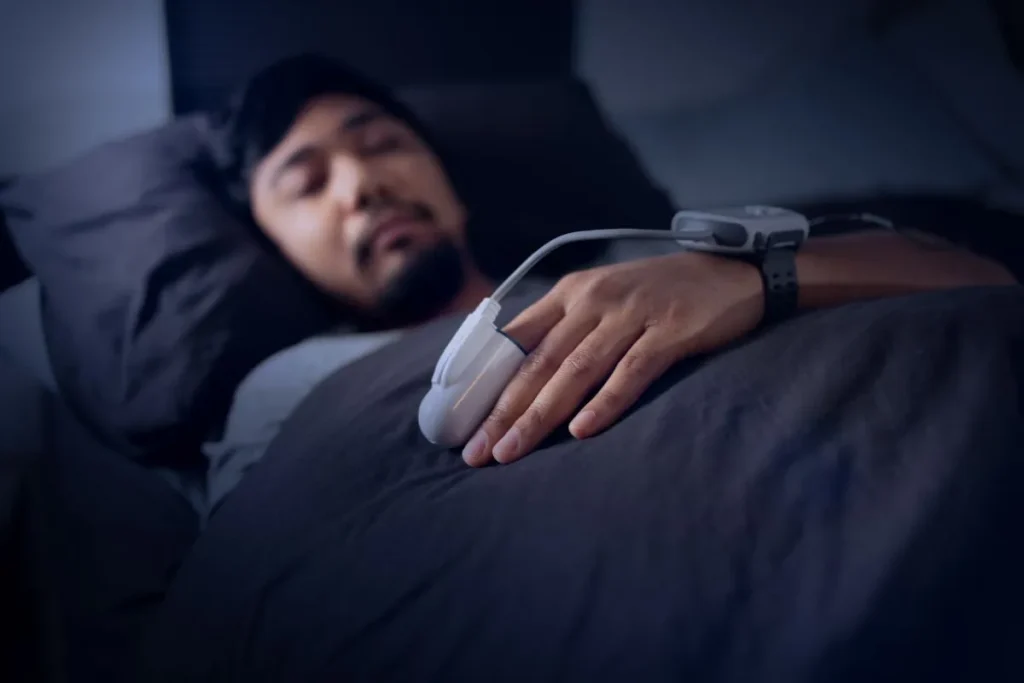
With at-home sleep tests like WatchPAT, you can get accurate results while sleeping in your own bed. The test measures breathing patterns, oxygen levels, snoring intensity, and sleep stages to help determine whether sleep apnea is present.
You can order an at-home sleep apnea test kit directly from cpapRX, and your results will be reviewed by a board-certified sleep specialist. It is convenient, affordable, and the fastest way to get answers.
FAQ's
How do I know if my snoring is serious?
Snoring is serious when it is loud, irregular, paired with gasping, or when someone observes pauses in your breathing. Morning tiredness, headaches, or excessive daytime sleepiness also suggest the snoring may be linked to sleep apnea.
What causes gasping for air while sleeping?
Gasping usually occurs when the airway becomes blocked due to relaxed throat muscles, enlarged tissues, excess weight, or anatomical factors. This is a common symptom of Obstructive Sleep Apnea.
Can sleep apnea go away on its own?
Sleep apnea rarely disappears without treatment. Lifestyle changes can help, but medical evaluation is essential to prevent complications.
What happens if sleep apnea is left untreated?
Untreated sleep apnea increases the risk of stroke, heart disease, diabetes, memory problems, mood disorders, and chronic fatigue.
Do I need a CPAP if I have sleep apnea symptoms?
Yes, many people benefit from CPAP because it keeps the airway open through steady airflow. However, a sleep test and a specialist consultation can better help determine the right treatment.
Final Words
Take Your Symptoms Seriously and Take Action
Snoring and gasping during sleep are not just nighttime inconveniences. They are often early signs of Obstructive Sleep Apnea, a condition that can impact every part of your health. The good news is that the condition is highly treatable once diagnosed.
If you suspect sleep apnea, start with a simple at-home test. Visit cpapRx to order your WatchPAT home sleep test and consult with a board-certified sleep specialist. Better sleep and better health can begin tonight.