Table of Contents
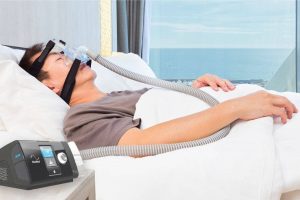
Winter CPAP tips are essential because nothing disrupts sleep faster than waking up to a fogged-up CPAP mask on a cold night. If you have ever felt that clammy condensation inside your mask or noticed water droplets in the tubing, you have experienced what CPAP users often call rainout. Cold weather creates the perfect conditions for this issue, but the good news is that it is preventable. With the right setup, equipment, and guidance, you can enjoy comfortable, uninterrupted sleep all winter long.
Improve your sleep quality with these expert CPAP tips for sleep apnea patients, especially during awareness days like World Sleep Day.
Why Does Your CPAP Mask Fog Up in Cold Weather?
Understanding the problem is the first step to solving it. CPAP machines deliver warm, humidified air to keep your airway open and prevent dryness. During winter, the surrounding air is much colder, especially in bedrooms with lower thermostat settings or drafty windows.
When warm, moist air from your CPAP tubing meets cold air, condensation forms inside the hose and mask. This moisture buildup can lead to:
- Foggy masks and reduced visibility
- Gurgling sounds in the tubing
- Water dripping onto your face
- Interrupted therapy and poor sleep quality
While rainout is common, it is not something you have to live with. A few smart adjustments can make a big difference.
Practical Winter CPAP Tips to Prevent Mask Fogging
-
Adjust Your Humidifier Settings
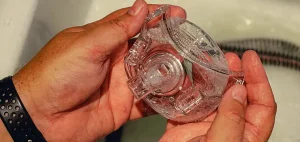
Higher humidity feels great in winter, but too much moisture increases condensation. Try slightly lowering your humidifier level and see if symptoms improve. The goal is to find a balance where your airways stay comfortable without excess moisture collecting in the system.
-
Keep Your CPAP Tubing Warm
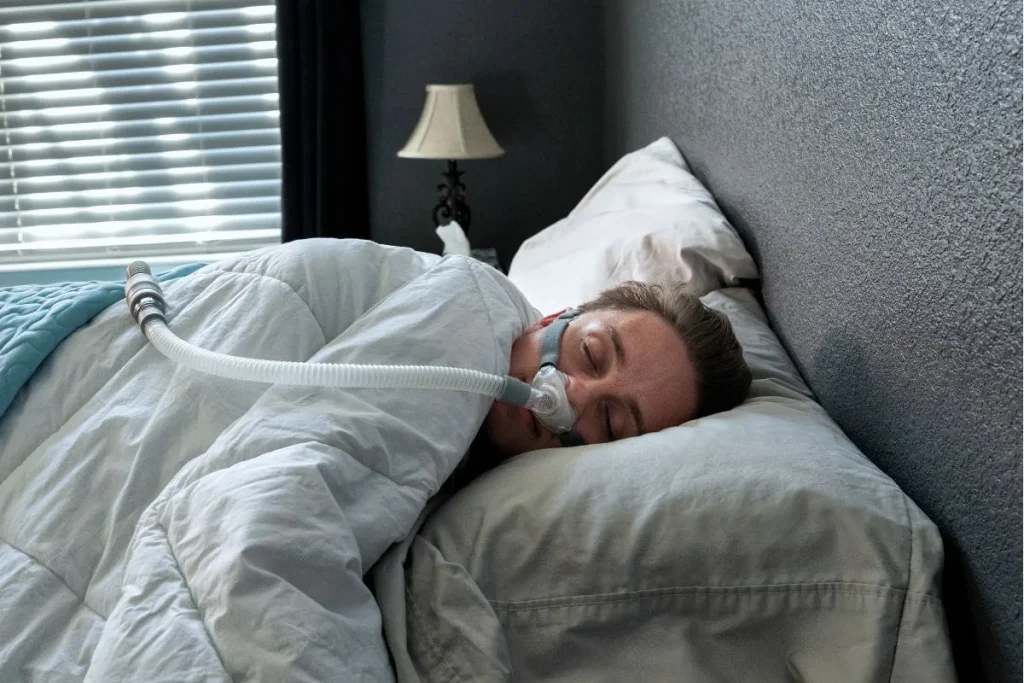
One of the most effective winter CPAP tips is preventing cold exposure along the hose. Heated tubing helps maintain a consistent air temperature from the machine to your mask, reducing condensation. If heated tubing is not an option, a CPAP hose cover can act as insulation and significantly reduce rainout.
-
Position the CPAP Machine Slightly Lower Than Your Bed
Gravity matters. Placing your CPAP machine slightly lower than your mattress allows any condensation to flow back into the humidifier chamber instead of pooling in your mask.
-
Maintain a Stable Bedroom Temperature
Extreme cold increases condensation risk. Keeping your bedroom at a moderate, consistent temperature, rather than letting it drop overnight, can help minimize fogging and improve overall sleep comfort.
Mask Fit and Equipment Choices Matter More Than You Think
Not all CPAP masks perform the same way in cold conditions. Poorly fitting masks allow air leaks, which can worsen condensation and reduce therapy effectiveness. A well-sealed mask minimizes temperature fluctuations and helps keep airflow stable.
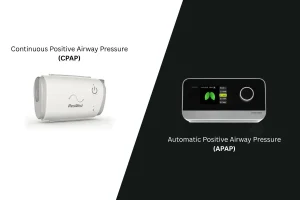
Additionally, newer CPAP machines and accessories are designed with advanced climate control features that automatically adjust humidity and temperature. These innovations are especially helpful during winter months when conditions change frequently.
If you are experiencing repeated issues, it may not be user error. It could simply be time to reassess your equipment.
How We Help You Sleep Better All Winter at cpapRX
At cpapRX, we know that winter CPAP challenges are not one size fits all. That is why we do not just sell equipment. We support your entire sleep therapy journey. We offer top brand CPAP machines, masks, heated tubing, and accessories at competitive prices, so you do not have to choose between comfort and affordability.
What truly sets us apart is our team of board-certified sleep doctors who provide personalized guidance. Whether you need help selecting the right mask, adjusting humidity settings, or managing persistent rainout issues, our medical experts are here to support you. We also provide convenient at-home sleep test kits, making it easier to start or reassess your sleep apnea therapy without long wait times or lab visits.
When you shop with us, you are not just buying CPAP equipment. You are gaining a trusted partner in your sleep health.
FAQ's
Why does my CPAP mask fog up more during winter?
Cold room temperatures cause the warm, humid air from your CPAP machine to condense inside the tubing and mask, leading to moisture buildup known as rainout.
Does heated CPAP tubing really prevent condensation?
Yes. Heated tubing helps maintain a consistent air temperature throughout the hose, which significantly reduces condensation and prevents mask fogging in cold weather.
Should I lower my humidifier setting in winter?
In many cases, yes. Slightly reducing humidity can help prevent excess moisture while still keeping your airways comfortable during CPAP therapy.
Sleep Comfortably, Even in the Coldest Months
Foggy CPAP masks in winter are frustrating, but they are also fixable. By adjusting humidity levels, keeping your tubing warm, maintaining a stable room temperature, and using properly fitted, high-quality equipment, you can prevent condensation and sleep more comfortably all season long.
If winter CPAP issues are disrupting your rest, let us help. Visit cpaprx.com today to explore trusted CPAP equipment, order an at-home sleep test, or connect with our experienced doctors for personalized sleep apnea therapy. Better sleep does not have to wait for warmer weather. It starts now.