Table of Contents
Introduction to Air Leaking from CPAP Mask
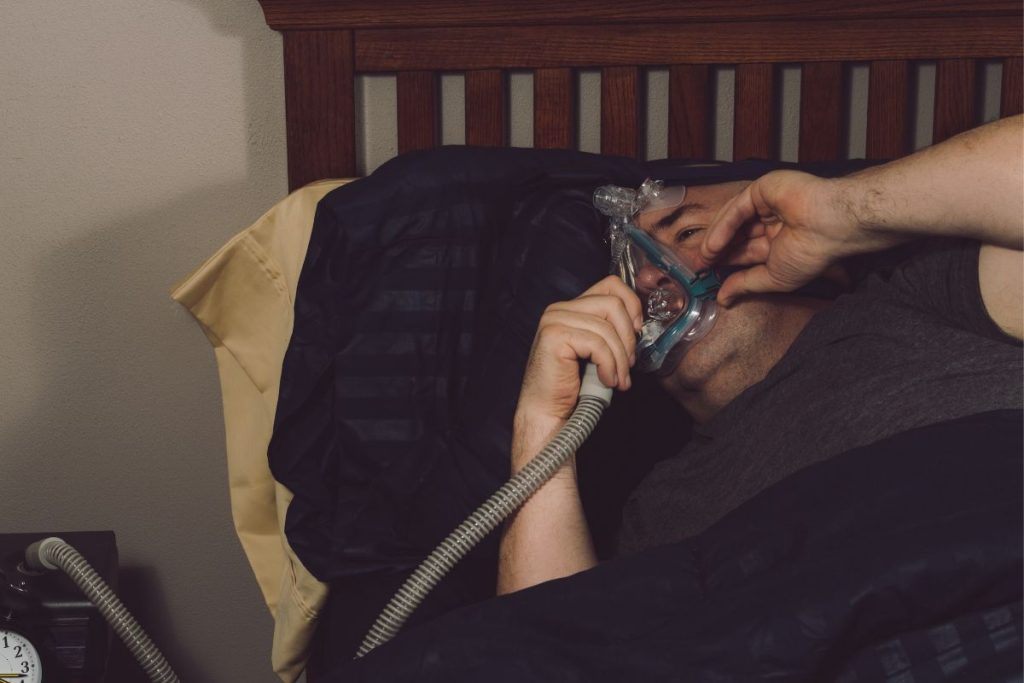
Air leaking from your CPAP mask is one of the most frustrating issues sleep apnea patients face. It disrupts therapy, causes dry eyes or noise, and makes restful sleep harder to achieve. At cpapRX, we understand how air leaking from CPAP mask can lead to poor compliance and suboptimal results.
The good news? Most cases of air leaking from CPAP mask have simple fixes. Whether it’s how to stop CPAP mask from leaking air or addressing CPAP mask leaks at bridge of nose, this guide covers it all. We’ll explore causes like CPAP mask leaks at high pressure and CPAP mask leaking air into eyes, with practical solutions. Proper fixes ensure your CPAP therapy works effectively, helping you breathe better and sleep deeper.
Common Causes of Air Leaking from CPAP Mask
Air leaking from CPAP mask often stems from everyday factors. Here’s what triggers it most:
- Improper Fit: Masks too loose or tight fail to seal properly. Facial changes from lying down exacerbate this.
- Dirty or Worn Cushions: Oils, debris, or degraded cushions prevent a good seal, leading to air leaking from CPAP mask.
- Facial Hair or Oils: Beards, lotions, or skincare products create gaps.
- Mouth Breathing: With nasal masks, open mouths cause major air leaking from CPAP mask.
- Sleeping Position: Side-sleeping shifts masks, causing leaks.
These issues compound if ignored, reducing therapy efficacy. Learning how to stop CPAP mask from leaking air starts with identifying your specific cause.
How to Stop CPAP Mask from Leaking Air
Fixing air leaking from CPAP mask doesn’t require new equipment. Try these proven steps for how to stop CPAP mask from leaking air:
- Clean Daily: Wash cushions with mild soap to remove oils. Dirty masks are a top leak culprit.
- Adjust Straps Evenly: Loosen slightly for a natural seal—over-tightening worsens air leaking from CPAP mask.
- Test at Pressure: Turn on your CPAP and check for hissing. Reposition for even contact.
- Replace Parts: Swap cushions every 3-6 months to prevent wear-related air leaking from CPAP mask.
- Use Chin Straps: For mouth breathers, keep jaws closed to stop leaks.
At cpapRX, shop replacement cushions like ResMed AirFit for reliable seals. These tweaks resolve 80% of how to stop CPAP mask from leaking air cases quickly.
CPAP Mask Leaks at Bridge of Nose
CPAP mask leaks at bridge of nose is common with nasal or full-face masks. Air escapes here due to poor sizing or pressure marks.
Causes:
- Wrong size pushes mask upward.
- High nose bridge or facial structure mismatch.
- Dried cushions lose flexibility.
Fixes for CPAP Mask Leaks at Bridge of Nose:
- Downsize or switch to nasal pillows like cpapRX Solo™ Nasal Pillows Mask.
- Apply mask liners or pads for cushioning.
- Clean thoroughly—oils concentrate here.
- Loosen top straps slightly.
Shop cpapRX’s 3D face scanning for perfect fits, eliminating CPAP mask leaks at bridge of nose.
CPAP Mask Leaks at High Pressure
CPAP mask leaks at high pressure happens when settings overpower the seal, common above 12-15 cmH2O.
Why It Occurs:
- Insufficient cushion depth for force.
- Older masks can’t handle pressure.
- Strap slippage under force.
Solutions:
- Choose high-pressure masks like ResMed AirFit F20 from cpapRX.
- Consult your doctor for pressure adjustments via data tracking.
- Add mask liners for extra seal.
Prevent CPAP mask leaks at high pressure with cpapRX’s curated high-pressure options. Track leaks via your machine’s app for tweaks.
CPAP Mask Leaking Air into Eyes
CPAP mask leaking air into eyes causes dryness, irritation, and wake-ups. It’s often from nasal mask gaps.
Triggers:
- Leaks at forehead/cheek edges blow air upward.
- High pressure forces air out.
- Loose headgear during movement.
Quick Fixes:
- Tighten forehead straps gently.
- Use eye drops or masks with forehead pads.
- Switch to hybrid masks covering eyes better.
cpapRX’s AirFit F10 minimizes CPAP mask leaking air into eyes with stable designs. Clean headgear weekly to maintain tension.
FAQ's
Why is air leaking from my CPAP mask every night?
Nightly leaks usually come from one of three things: a worn-out cushion, a poor mask fit, or a pressure setting your current mask cannot handle.
Start by checking your cushion. Silicone loses its softness after a few weeks of nightly use. Even a clean-looking cushion may no longer seal well. Replace it first — it is the cheapest fix and solves the problem most of the time.
How do I fix CPAP mask leaks at bridge of nose?
The nose bridge is a bony area, so the mask cushion has to rely on the soft skin around it to seal. If your nose bridge is narrow or high, the cushion top edge may not make proper contact.
The fastest fix is to try one size smaller. A smaller cushion conforms better to a narrower nose profile and closes the gap at the top.
If sizing is not the issue, place a thin nose bridge pad under the cushion edge. These are inexpensive and fill small gaps without requiring a new mask.
Also wipe your nose bridge with a damp cloth before putting on your mask. Oils collect in this area and break the silicone seal quietly overnight.
Does high pressure cause CPAP mask leaks?
Yes, and it is a different problem from a regular fit issue. At higher pressures — roughly above 12 cmH2O — the air pushes outward against the cushion edge with real force. A mask that seals well at low pressure may begin leaking simply because the airflow is too strong for the cushion to hold.
The solution is a mask built for high-pressure therapy. The ResMed AirFit F20 and Philips DreamWear Full Face both use deeper cushion channels designed to resist this outward force.
Adding a mask liner also helps. It absorbs the small movements caused by airflow and keeps the cushion edge from lifting away from your skin.
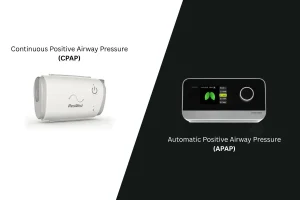
Track your nightly leak data in your device app. If leaks spike during high-pressure moments, bring that data to your doctor. They may adjust your settings or switch you to APAP therapy, which distributes pressure more evenly.
Why is my CPAP mask leaking air into my eyes?
Air reaches your eyes when the top of the mask — usually at the nose bridge or upper cheek — loses contact with your skin. The air escapes upward and flows across your face toward your eyes. Even a small gap can cause significant dryness after several hours.
First, tighten only your forehead strap by a small amount. This anchors the top of the mask and often stops the upward airflow immediately.
If that does not help, re-seat the mask from scratch. Turn on your machine, press the top cushion edge gently against your nose bridge, hold it there, then tighten the strap. This sets the contact point before you lock it in place.
Use lubricating eye drops at bedtime while you are troubleshooting. They protect your eyes from dryness during the adjustment period.
If the problem keeps coming back, consider a mask with a forehead cushion pad, like the ResMed AirFit F10. The wider upper contact area makes it much harder for air to find an upward exit.
How often should I replace parts to prevent air leaking from my CPAP mask?
Most patients replace parts too late. By the time you notice a leak, the cushion has usually been degraded for weeks.
Use this schedule as your guide:
- Cushion or pillow insert — every 2 to 4 weeks
- Mask frame — every 3 to 6 months
- Headgear straps — every 6 months
- Tubing — every 3 months
Set a phone reminder for each one. You will spend less time troubleshooting and more time sleeping well. CPAPrx stocks replacement parts for all major mask brands so you can reorder quickly without a prescription.
Can I get help for CPAP mask leaks at cpapRX?
Yes, and there are several ways to do it. The CPAPrx team can help you identify the right mask size, recommend leak-resistant models for your pressure setting, and guide you through replacement part options.
If your leaks are affecting your therapy results — meaning your AHI is still high despite using the machine — CPAPrx also connects patients with at-home sleep testing through the WatchPAT program. It is FDA-cleared, DOT-approved, and does not require an overnight clinic stay.
When to Seek Professional Help
DIY fixes solve most air leaking from CPAP mask issues. But contact cpapRX or your doctor if:
- Leaks persist after adjustments.
- Therapy data shows low usage.
- Skin irritation or pain develops.
Our team offers prescriptions, fittings, and at-home tests. Shop now for masks that end how to stop CPAP mask from leaking air struggles.