Table of Contents
Sleep Apnea is more than just loud snoring; it’s a serious sleep disorder that can quietly affect your heart, brain, energy levels, and overall quality of life. Many people know they have sleep apnea, but far fewer understand which type they’re dealing with. That distinction matters, because the right diagnosis leads to the right therapy and better sleep, faster.
Below are 7 key signs that can help reveal what kind of sleep apnea you may have, so you can take informed, confident steps toward effective treatment.
Learn the 5 warning signs that snoring and gasping could be sleep apnea.
Loud, Chronic Snoring That Stops and Starts
Likely Type: Obstructive Sleep Apnea (OSA)
If your partner reports loud snoring followed by choking, gasping, or long pauses in breathing, this is a classic sign of obstructive sleep apnea. OSA occurs when the throat muscles relax too much during sleep, blocking airflow despite your brain telling your body to breathe.
OSA is the most common form of sleep apnea and is often associated with excess weight, a narrow airway, or sleeping on your back. The good news? It’s also the most treatable, especially with properly fitted CPAP therapy.
You Don’t Snore Much but You Still Stop Breathing
Likely Type: Central Sleep Apnea (CSA)
If breathing pauses occur without loud snoring or choking, the issue may not be airway blockage at all. Central sleep apnea happens when the brain doesn’t consistently send signals to the muscles that control breathing.
This type is often linked to neurological conditions, stroke, heart failure, or opioid use. CSA requires a more tailored approach, which is why medical oversight is critical before choosing any PAP device.
Persistent Daytime Fatigue Even After “Enough” Sleep
Seen In: All Types of Sleep Apnea
Waking up exhausted despite 7–8 hours in bed is a red flag. Repeated oxygen drops and micro-awakenings prevent your body from reaching deep, restorative sleep.
While this symptom alone doesn’t identify the type, its severity, combined with other signs, can point clinicians toward the right diagnosis during a sleep study.
Morning Headaches and Brain Fog
More Common In: Central & Complex Sleep Apnea
Frequent morning headaches, poor concentration, or memory issues may indicate unstable oxygen and carbon dioxide levels overnight. These symptoms are especially common in central sleep apnea and complex sleep apnea, where breathing patterns are irregular and less predictable.
If headaches persist even after starting CPAP, your therapy may need adjustment rather than abandonment.
CPAP Helps at First Then Symptoms Return
Likely Type: Complex Sleep Apnea
If you were diagnosed with obstructive sleep apnea, started CPAP, and then developed new breathing pauses, you may be experiencing complex sleep apnea. This condition combines features of both obstructive and central sleep apnea.
Complex sleep apnea often requires advanced PAP modes and close follow-up by a sleep specialist, something that’s difficult to manage without expert guidance.
History of Heart Disease or Stroke
Higher Risk For: Central Sleep Apnea
Sleep apnea doesn’t exist in isolation. If you have heart failure, atrial fibrillation, or a history of stroke, central sleep apnea is more likely. In these cases, treating sleep apnea isn’t just about better rest, it’s about protecting long-term cardiovascular health.
This is where a medically guided treatment plan makes a measurable difference.
You’ve Never Had a Sleep Test Only Symptoms
Unknown Type: Needs Confirmation
Many people assume their sleep apnea type based on symptoms alone. Unfortunately, symptoms overlap, and self-diagnosis often leads to ineffective treatment.
An at-home sleep apnea test can accurately identify the type and severity of sleep apnea, all from the comfort of your own bed, no overnight lab stay required.
Why Accurate Diagnosis (and the Right Equipment) Matters
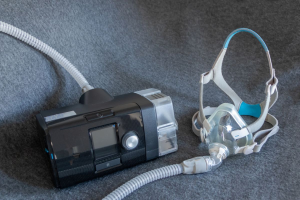
Choosing the wrong CPAP machine or mask can lead to discomfort, poor compliance, and lingering symptoms. That’s why we combine board-certified sleep doctors with top-brand CPAP equipment, all in one place.
With us, you’re not guessing. We help you:
- Confirm your sleep apnea type with an at-home test
- Get personalized therapy recommendations from qualified physicians
- Buy trusted CPAP machines, masks, and accessories at competitive prices
- Adjust therapy if your condition or comfort changes over time
Sleep apnea treatment works best when medical expertise and quality equipment go hand in hand and that’s exactly how we approach it.
FAQ's
How do I know what type of sleep apnea I have?
The only reliable way to determine the type of sleep apnea is through a sleep study. An at-home sleep apnea test can accurately identify whether you have obstructive, central, or complex sleep apnea and guide proper treatment.
Can the same CPAP machine treat all types of sleep apnea?
No. While standard CPAP machines are commonly used for obstructive sleep apnea, central and complex sleep apnea may require advanced PAP devices and medical supervision to ensure effective and safe therapy.
What are the most common CPAP mistakes users make?
If symptoms like fatigue or headaches persist, your therapy may need adjustment. Consulting a sleep specialist can help fine-tune pressure settings, mask fit, or recommend a different device for better results.
Final Words
Sleep apnea isn’t one-size-fits-all. The signs your body gives you can reveal powerful clues about what’s really happening each night but confirmation and guidance are key. Understanding your specific type of sleep apnea puts you back in control of your health, energy, and long-term wellbeing.
Ready to take the next step? Visit cpaprx.com to order a trusted CPAP device, or take an at-home sleep apnea test, or consult with our sleep specialists for personalized therapy support. Better sleep starts with the right answers and we’re here to help you find them.