Table of Contents
Snoring can be harmless noise, but when it comes with breathing pauses, gasping, or daytime exhaustion, it often signals a serious sleep‑related breathing disorder that quietly damages your heart, brain, and overall health — raising the question, are snoring and sleep apnea the same thing or something very different.
Snoring may sound harmless, but in many adults it is the loud warning shot of a serious breathing disorder that repeatedly stops airflow at night and silently harms the heart, brain, and daytime functioning.
Once you start CPAP therapy, everyday questions come up — including how to manage it while traveling. See our complete guide to flying with a CPAP machine for practical tips.
Understanding Night‑Time Noises: Are Snoring and Sleep Apnea the Same Thing?
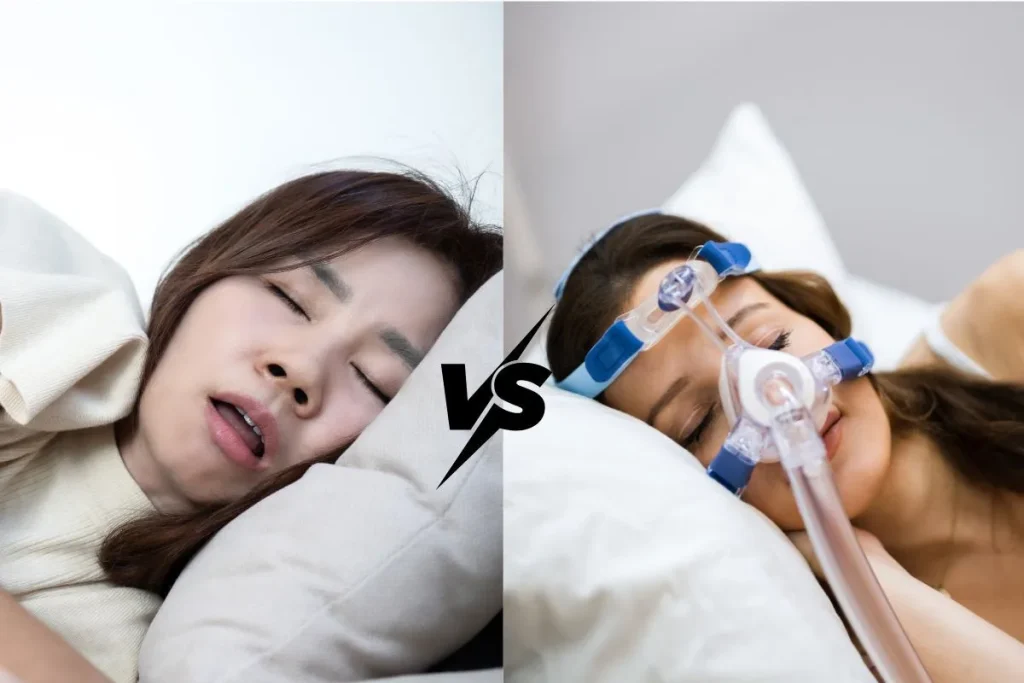
Many people assume that loud sleeping sounds all fall under the same label, but simple snoring and sleep apnea are very different problems with very different risks. Easy snoring vs. sleep apneaThey are extremely various issues and also come with very various dangers! Snoring is primarily a noise issue from vibrating tissues in the narrowed airway, while sleep apnea is a clinical condition where airflow repeatedly diminishes or ceases altogether. If you have ever wondered about the snoring vs sleep apnea difference, the key is whether breathing actually stops and how your days feel.
And from what we have seen with patients who insisted that they “just snored”—when these individuals were finally tested, many were found to stop breathing frequently at night, with corresponding low oxygen levels and sleep fragmentation. This pattern is associated with high blood pressure, heart disease, stroke, diabetes, and excessive daytime sleepiness if left untreated. The first step—understanding the difference is to decide whether you need snoring strategies—or a more urgent medical evaluation.
What Snoring Really Is
Snoring occurs when the air pressure drops in the narrowed upper airway as you sleep, causing relaxed tissue in your throat to vibrate and make noise. It can be caused by nasal congestion, being overweight, alcohol or sleeping pills before bedtime, sleeping on the back or floppy tissue at the back of your throat.
For most individuals, especially the elderly and those with existing medical problems, intermittent or positional snoring is more bothersome than harmful and can manifest itself through daytime symptoms that may be missed. Yet, chronic, loud or increasing snoring represents an impending warning sign that the respiratory tract is constantly at high risk of closure—essentially what happens in obstructive sleep apnea. Which is why ongoing snoring—particularly if it annoys others—should never be consigned to the nice-to-know list without inspection.
What Sleep Apnea Really Is
Sleep apnea is a sleep‑related breathing disorder characterized by repeated drops in airflow of at least 10 seconds despite attempting to breathe. Obstructive sleep apnea, the most common type, happens when the throat muscles and soft tissues collapse to partially or completely obstruct the upper airway during sleep.
Every apneic pause deprives tissues of oxygen and causes brief arousals that we do not recollect, but that disrupt normal sleep architecture. Longer-term — over months to years — this model is associated with hypertension, arrhythmias, stroke, coronary disease, diabetes, cognitive issues and an increased rate of accidents since the patient dozes off during daytime. There are specific warning signs of this condition in many adults assessed by American Academy of Sleep Medicine–accredited centers, such as loud habitual snoring along with observed pauses, gasping or choking.
How Snoring and Sleep Apnea Really Differ
Although they often show up together, snoring and sleep apnea are not the same thing. You can snore without having apnea, and some people with apnea do not snore loudly, which is why symptoms beyond noise matter so much.
Core Differences at a Glance
Feature | Simple Snoring | Sleep Apnea |
Breathing pattern | No true pauses in breathing | Repeated pauses or near‑pauses in airflow during sleep |
Sound | Vibrating, often steady noise | Loud snoring often followed by silence, then gasps or choking |
Night‑to‑night pattern | Occasional or position‑dependent | Most nights, often in any position |
Daytime impact | Often minimal | Marked sleepiness, fatigue, poor concentration, morning headaches |
Health risk | Sometimes benign but can signal risk | Strongly linked to heart disease, stroke, hypertension, diabetes, accidents |
Diagnosis | Usually based on history; testing not always required | Requires formal sleep testing (home or lab) |
The shocking part for many patients is that their snoring and gasping may have been going on for years before anyone realizes serious, ongoing oxygen drops are happening in the background. That is why medical testing, not guesswork, is the only reliable way to distinguish loud snoring from a true breathing disorder.
Warning Signs Your Snoring Isn’t Harmless
You should treat snoring as a possible medical warning rather than a joke if any of the following are true:
- Someone has observed an event in which you stopped breathing, gasped for air or choked during sleep.
- Your snoring is loud, occurs every night and can be heard even through closed doors or down the hall.
- You rise feeling unrested, suffering from morning headaches, dry mouth or a scratchy throat.
- You are too sleepy during the day, falling asleep in meetings, in front of the TV or even when driving.
- You become forgetful, or your ability to concentrate seems impaired, you have a mood disturbance and feel irritable for no apparent reason.
In our clinical experience, people often underestimate these signs because they gradually “adjust” to feeling exhausted. People tend to dismiss these signs in our clinical experience largely because they seem to get used to feeling fatigued. If your snoring is accompanied by any of these symptoms, you should see a sleep doctor or someone focused on sleep rather than brushing it off. Many of these early sleep apnea symptoms hide inside what looks like “normal” snoring.
Health Risks of Ignoring Sleep Apnea
Untreated sleep apnea repeatedly activates the body’s stress systems and deprives organs of steady oxygen, which is why it carries such serious long‑term risks. Research and clinical guidelines link it to:
- High blood pressure and difficult‑to‑control hypertension
- Heart rhythm problems, heart failure, and increased risk of heart attack
- Stroke and problems with blood vessel health
- Type 2 diabetes and insulin resistance
- Depression, anxiety, and cognitive decline
- Higher likelihood of car and workplace accidents due to sleepiness
Guidelines from the American Academy of Sleep Medicine emphasize that sleep apnea is a chronic disorder that often requires lifelong management and should be evaluated and treated systematically, not casually. From our perspective, this is one of those conditions where getting tested early can change both quality of life and long‑term health trajectory.
How Diagnosis Works (Including At‑Home Sleep Testing)
A sleep study that measures breathing, oxygen levels and other channels while the patient sleeps is the only way to tell for sure whether you have simple snoring or sleep apnea. Historically, that meant an overnight stay at a sleep lab with wires hooked up to your head all over the place — but there are now numerous validated home tests for many adults.
At cpapRX, for instance. using a FDA cleared and DOT approved at-home test (WatchPAT) with four finger-like sensors that quantify breathing signals, oxygen levels and more inside the individual’s bed environment. From our perspective, this costs less and is substantially faster (test results in a matter of days with review by a licensed sleep doctor who can provide guidance on whether snoring is harmless or part of obstructive sleep apnea), which makes testing more practical.
Treatment Options That Actually Help
The right treatment depends on what the sleep study shows, but the menu usually includes a mix of lifestyle changes, medical devices, and sometimes dental devices or surgery.
Common tools include:
- Lifestyle changes: Weight loss where appropriate, limiting alcohol or sedatives before bed, managing nasal congestion, and changing sleep position can reduce snoring and mild apnea in some people.
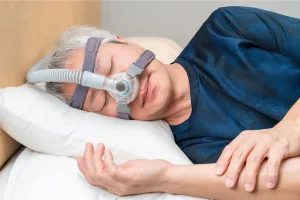
- Positive airway pressure (PAP) therapy: Continuous positive airway pressure (CPAP) is considered the front‑line treatment for most adults with moderate to severe obstructive sleep apnea, gently keeping the airway open with pressurized air through a mask.
- Oral appliances: Custom mouth devices that hold the jaw forward can help many people with snoring and mild to moderate obstructive sleep apnea, especially when CPAP is not tolerated.
- Surgical or advanced options: In select cases, upper airway surgery or upper airway stimulation devices may be considered if standard treatments fail or are not appropriate.
At cpapRX, customers often tell us that the real turning point was not just getting a device, but having a team walk them through testing, prescriptions, setup, and long‑term monitoring so treatment actually fits into their nightly routine.
Common Myths and Mistakes
People routinely make the same assumptions about snoring and sleep apnea, which can delay diagnosis for years. Some of the most important to avoid are:
- “Snoring is normal if you’re tired or older.” Age and fatigue make snoring more likely, but loud nightly snoring, especially with gasping or pauses, is not just a normal part of aging.
- “If I don’t feel sleepy, it can’t be serious.” Some people with significant apnea report only mild or subtle daytime symptoms, yet their oxygen drops and cardiovascular risks are still very real.
- “I’ll just buy a device online and fix it myself.” Anti‑snoring gadgets can help some simple snorers, but using them without knowing whether apnea is present can mask warning signs while the underlying problem continues.
In our experience, the biggest mistake is waiting until a partner is desperate, the snoring is unbearable, or a serious health issue appears before taking snoring seriously.
What to Do If You or Your Partner Snores
Here is a simple, practical path many sleep specialists recommend when snoring is a concern:
- Notice the pattern. Pay attention to how often you snore, how loud it is, and whether there are gasps, pauses, or choking sounds.
- Check daytime symptoms. Ask yourself honestly about fatigue, headaches, focus issues, and mood changes.
- Talk to a clinician. Bring these observations to a primary care provider or sleep‑focused clinic and ask directly whether a sleep study is appropriate.
- Get properly tested. Complete an in‑lab or validated home sleep test so treatment decisions are based on data, not guesswork.
- Follow through on treatment. Work with your care team to fine‑tune devices and habits until sleep and daytime energy significantly improve.
From what we see day to day, people rarely regret getting evaluated—but many regret how long they waited.
FAQ's
Is loud snoring always a sign of sleep apnea?
Excessive snoring is not always sleep apnea but one of the most common signs and should never be ignored. Snoring is just noisy breathing (in inspiration and/or expiration) without actual pauses, but sleep apnea combines the repeated interruptions to breath with gasping or choking and culminates in daytime sleepiness (or headaches). If your snoring is chronic, frequent or associated with breathing stops, you should have a full sleep evaluation instead of assuming that it is benign.
How can I tell the difference between simple snoring and sleep apnea at home?
The clearest home clues for sleep apnea are breathing pauses, gasping, choking sounds, and marked daytime sleepiness, not just noise level. Bed partners often notice patterns where loud snoring suddenly stops, followed by a silence and then a gasp or snort. Simple snoring usually does not cause this stop‑start pattern or significant daytime impairment. However, only a formal sleep study—either in a lab or with a validated home test—can reliably distinguish the two, which is why specialists stress proper testing over home guesses.
Can sleep apnea be dangerous even if I feel mostly fine during the day?
Yes, sleep apnea can quietly strain your heart and blood vessels even when daytime symptoms feel mild. Research shows strong links between untreated apnea and high blood pressure, arrhythmias, stroke, and diabetes, driven by repeated oxygen drops and stress surges during sleep. Some people adapt to tiredness and only realize how poorly they were sleeping after treatment dramatically improves their energy and focus. For that reason, guideline authors emphasize treating apnea as a long‑term cardiovascular risk factor, not just a snoring problem.
Do all people with sleep apnea need a CPAP machine?
Not every person with sleep apnea requires the same treatment, but CPAP is considered the gold‑standard therapy for most adults with moderate to severe obstructive sleep apnea. CPAP keeps the airway open with gentle, pressurized airflow and has strong evidence for improving symptoms and reducing health risks. However, people with mild apnea, or those who truly cannot tolerate CPAP, may be candidates for custom oral appliances, positional therapy, weight‑loss strategies, or in select cases surgery or advanced devices, usually under specialist guidance.
Are at‑home sleep tests accurate enough to detect sleep apnea?
Modern at‑home sleep apnea tests that are cleared by regulators and supported by medical organizations can be highly accurate for many adults suspected of moderate obstructive sleep apnea. Devices like WatchPAT, used by cpapRX and other clinics, have been clinically validated with accuracy in the 90–95 percent range compared with in‑lab testing in appropriate patients. They are not right for every situation—for example, complex medical cases or certain types of central apnea still need lab studies—but for straightforward snoring‑plus‑suspicion scenarios, they offer a fast, comfortable, and cost‑effective path to diagnosis.
If I lose weight, will my snoring or sleep apnea go away?
Weight loss can significantly reduce snoring and sleep apnea severity in many people, but it is not a guarantee of complete cure. Extra tissue around the neck and tongue increases airway narrowing, so reducing it often leads to fewer breathing events and quieter nights. However, anatomical factors, aging, and other medical conditions can still cause airway collapse even at a lower weight. Most guidelines recommend combining weight management with proven medical treatments such as CPAP or oral appliances rather than relying on weight loss alone to resolve the problem.
Can children’s snoring be a sign of sleep apnea too?
Yes, snoring in children can be a red flag for sleep‑disordered breathing and deserves careful attention, especially if it is frequent or accompanied by behavioral issues. Pediatric sleep apnea may show up as mouth breathing, restless sleep, bedwetting, hyperactivity, or school difficulties instead of classic daytime sleepiness. Enlarged tonsils and adenoids, nasal blockage, and weight issues are common contributors. Because developing brains and bodies are particularly sensitive to poor sleep and low oxygen, parents are encouraged to discuss regular snoring or these symptoms with a pediatrician or sleep specialist early.
When should I move from “watching” my snoring to getting tested?
You should move from casually watching your snoring to getting tested as soon as there are signs of breathing pauses, choking or gasping, or any meaningful daytime impairment. A simple way to answer when is snoring dangerous is to look for these breathing changes plus daytime sleepiness or health problems. Waking unrefreshed, feeling drowsy while driving, having morning headaches, or being told you stop breathing are all strong reasons to seek evaluation rather than waiting. In our experience at cpapRX, people who act at this stage often avoid years of preventable fatigue and reduce long‑term cardiovascular risk, while those who delay sometimes only seek help after a major health scare.
Explore Your Next Steps
If your snoring or your partner’s snoring sounds uncomfortably familiar to the warning signs above, the safest next step is a proper sleep evaluation, not more guessing.
At cpapRX, our team supports people through every stage of that journey—from at‑home sleep tests and result reviews with licensed sleep physicians to prescriptions, device setup, and ongoing therapy monitoring. Customers tell us that having one place to test, treat, and fine-tune their sleep therapy makes it much easier to turn a frightening diagnosis into a manageable part of daily life.
Resources & Further Reading
Medical / Health Organizations
- UNC Health Talk – “Snoring vs. Sleep Apnea – Is There a Difference?”
- Sleep Education by the American Academy of Sleep Medicine – Patient information on obstructive sleep apnea and treatments.