Table of Contents
American Heart Month is the perfect time to talk about a health connection many people overlook, how untreated sleep apnea can quietly damage your heart while you sleep. If you snore loudly, wake up exhausted, or already use a CPAP but struggle with consistency, this connection matters more than you might think.
Sleep apnea isn’t just about poor sleep, it’s a serious medical condition with long-term cardiovascular consequences. However, with proper diagnosis, the right equipment, and expert guidance, you can protect both your sleep and your heart.
The Hidden Link Between Sleep Apnea and Heart Disease
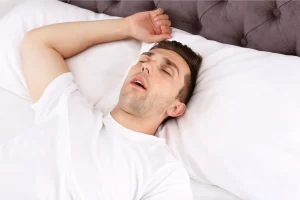
Sleep apnea occurs when your airway repeatedly collapses or becomes blocked during sleep, causing breathing to stop and restart dozens or even hundreds of times per night. Each pause in breathing lowers oxygen levels and forces your body into a stress response.
Over time, this repeated oxygen deprivation can:
- Increase blood pressure
- Trigger inflammation in blood vessels
- Disrupt normal heart rhythms
- Strain the heart muscle
Research consistently shows that untreated obstructive sleep apnea significantly raises the risk of hypertension, coronary artery disease, heart attacks, strokes, and atrial fibrillation. Many patients are shocked to learn that their “sleep problem” may be worsening an existing heart condition—or even causing one.
Why Your Heart Suffers While You Sleep
When breathing stops during sleep, your brain sends an emergency signal to wake you just enough to breathe again. These micro-awakenings happen without you remembering them, but your heart definitely notices.
Here’s what’s happening behind the scenes:
- Blood pressure spikes repeatedly throughout the night
- Stress hormones like cortisol remain elevated
- Heart rate becomes irregular, increasing arrhythmia risk
- Blood vessels lose elasticity, raising long-term cardiovascular strain
For people already managing diabetes, obesity, or high cholesterol, untreated sleep apnea multiplies heart disease risk. That’s why cardiologists and sleep specialists increasingly work together because protecting sleep is protecting the heart.
How CPAP Therapy Protects Your Heart
Continuous Positive Airway Pressure (CPAP) therapy is the gold standard treatment for moderate to severe sleep apnea and for good reason. By keeping your airway open throughout the night, CPAP prevents oxygen drops and reduces stress on the cardiovascular system.
Consistent CPAP use has been shown to:
- Lower nighttime and daytime blood pressure
- Reduce the risk of heart attacks and strokes
- Improve heart rhythm stability
- Enhance overall sleep quality and energy levels
Many users notice improved focus, mood, and stamina within weeks. But the real victory is long-term heart protection, something that can’t always be felt immediately, but matters deeply over time.
How We Support Your Sleep and Heart Health
At cpapRX, we understand that sleep apnea treatment isn’t one-size-fits-all. That’s why we combine top-brand CPAP machines, masks, and accessories with board-certified sleep doctors who help guide your therapy from start to finish. Here’s what sets us apart:
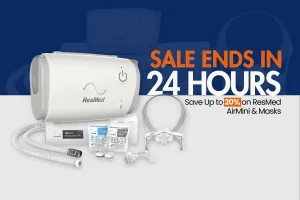
- Competitive pricing on trusted CPAP brands used by sleep clinics nationwide
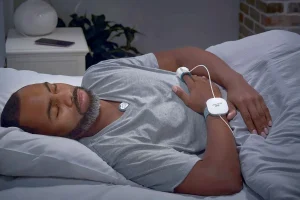
- At-home sleep test kits that make diagnosis simple and convenient
- Personalized therapy support from experienced sleep specialists
- Expert help choosing the right CPAP machine, mask type, and pressure settings
Whether you’re new to CPAP or struggling to stay compliant, our medical team works with you, not just to sell equipment, but to help you sleep better and reduce long-term health risks.
FAQ's
Can sleep apnea really increase the risk of heart disease?
Yes. Untreated sleep apnea causes repeated drops in oxygen levels, which can raise blood pressure, trigger inflammation, and significantly increase the risk of heart disease, stroke, and irregular heart rhythms.
Does using a CPAP machine help protect heart health?
Absolutely. Consistent CPAP therapy keeps the airway open during sleep, improves oxygen levels, lowers blood pressure, and reduces strain on the heart—especially in people with moderate to severe sleep apnea.
How do I know if I need a sleep apnea test?
If you snore loudly, feel tired despite a full night’s sleep, wake up gasping, or have high blood pressure, you may benefit from a sleep apnea test. An at-home sleep test through us makes diagnosis simple and convenient.
Final Words
Sleep apnea and heart disease are deeply connected, but they don’t have to define your future. Early diagnosis, consistent treatment, and proper equipment can dramatically reduce cardiovascular risks and improve quality of life.
This American Heart Month, take a proactive step toward better sleep and a stronger heart. Visit cpaprx.com to explore CPAP equipment, order an at-home sleep test, or connect with our sleep specialists for personalized guidance.